Understanding How Long Do Water Heaters Last in Livingston TX
Standard storage tank water heaters generally last between 8 and 12 years, whereas modern tankless units can operate reliably for 15 to 20 years with proper maintenance. In Livingston, TX, local well water minerals, municipal water treatment, operating temperatures, and routine flushing schedules directly impact equipment longevity. When homeowners understand the primary causes of tank breakdown, they can take proactive steps to extend system life and prevent unexpected flood emergencies. At C&S Plumbing Services, third-generation Master Plumber Casey Grantham and our licensed team help Polk County families protect their plumbing investments through honest evaluations, timely repairs, and master-level installations.
Average Lifespan: How Long Do Water Heaters Last in Livingston TX
Most manufacturers engineer standard electric and gas water heaters to deliver roughly a decade of dependable service. However, real-world conditions inside Texas utility closets often cause that timeline to fluctuate considerably. Units receiving annual maintenance frequently run past the twelve-year mark, while neglected tanks can fail in as little as six or seven years.
Every time cold water enters a storage vessel and heats up, internal metal expands and contracts. Over thousands of heating cycles, structural stress gradually weakens inner weld points and glass linings. Because our crew works on job sites across Southeast Texas daily, we see firsthand how local operating conditions influence system durability. Knowing your equipment’s true age helps you stay ahead of catastrophic leaks.
Regional Water Quality and How Long Do Water Heaters Last in Livingston TX
Water quality plays a massive role in how well your plumbing appliances hold up over the years. Throughout Polk County and the Lake Livingston area, both private groundwater wells and municipal sources contain dissolved minerals like calcium and magnesium that settle out of suspension when exposed to heat.
Mineral Sediment and How Long Do Water Heaters Last in Livingston TX
As dissolved minerals precipitate, they form a thick, chalky layer across the bottom of the water heater tank. This scale barrier traps heat directly against the steel base, creating severe localized hotspots on gas models that fatigue the metal over time.
Burnt Elements and How Long Do Water Heaters Last in Livingston TX
Electric water heaters suffer when mineral buildup fully covers the lower electric heating element. The element cannot transfer its thermal energy cleanly into the surrounding water, causing it to overheat and burn out prematurely.
Excess Pressure and How Long Do Water Heaters Last in Livingston TX
Severe sediment buildup can clog temperature-and-pressure relief valves and reduce functional water volume inside the tank. This restriction spikes internal pressure, placing constant strain on plumbing fittings throughout your residence.
The Sacrificial Anode Rod and How Long Do Water Heaters Last in Livingston TX
Inside every traditional tank rests an unassuming metal component known as the sacrificial anode rod. Made of magnesium or aluminum wrapped around a steel core, this rod serves as your water heater’s primary defense against tank corrosion.
Through natural galvanic action, corrosive minerals in water attack the anode rod rather than the steel tank walls. In essence, the rod sacrifices itself to protect the outer tank. Once the anode rod deteriorates completely, corrosive elements turn their attention straight to the tank’s steel seams. Checking and replacing this rod every three to five years can easily add three to six years of usable life to an existing tank setup.
Tank vs Tankless: How Long Do Water Heaters Last in Livingston TX
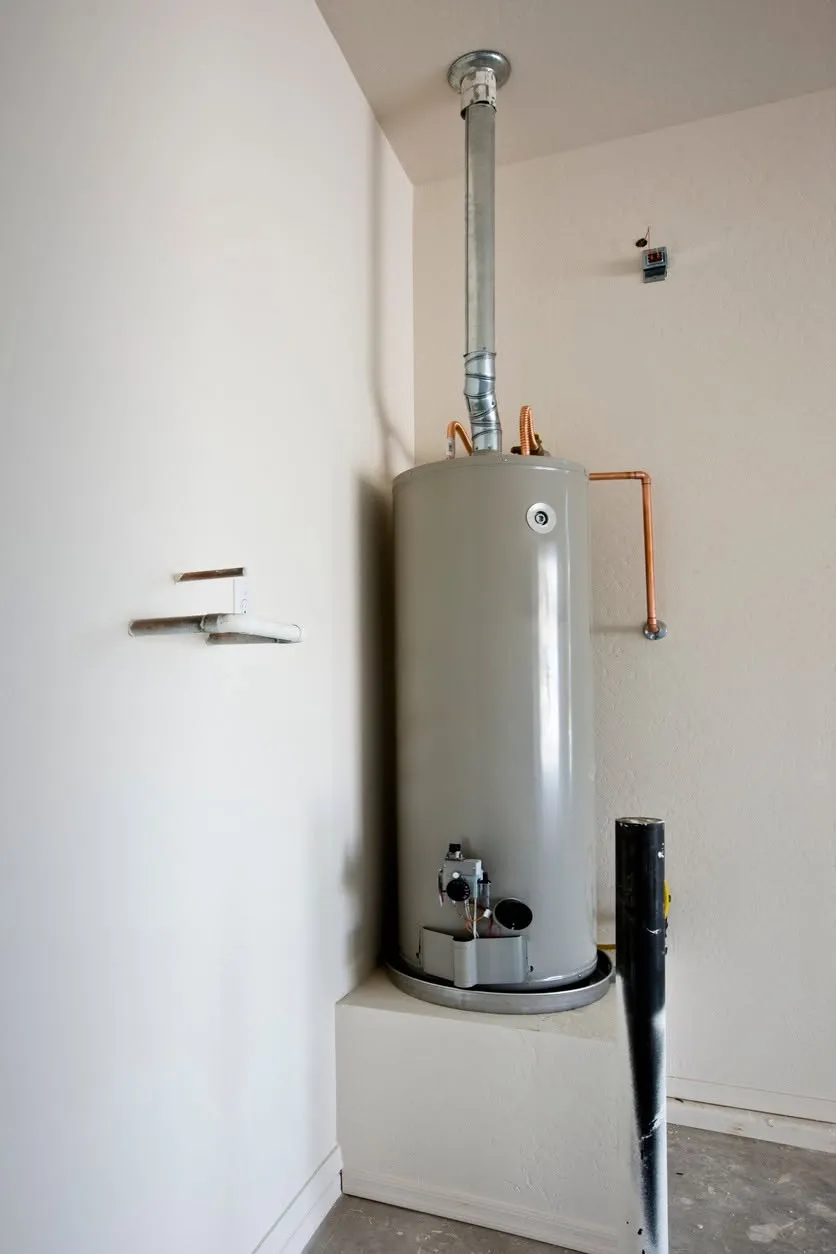
When comparing system types, design differences significantly affect how many years of service you receive. Conventional tank heaters continuously store dozens of gallons of hot water, which creates ongoing exposure to oxidation, rust, and internal sediment accumulation.
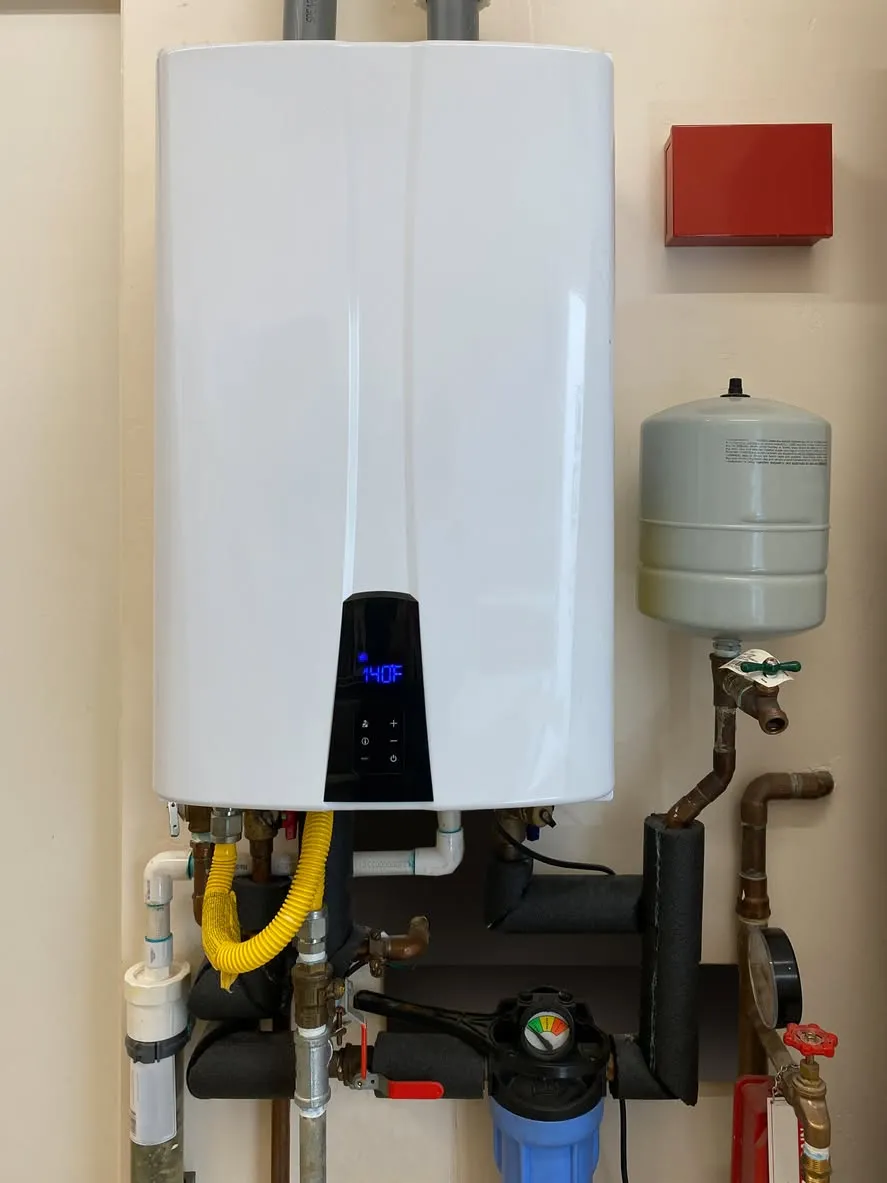
In contrast, tankless water heaters only heat water on demand as it passes through durable copper or stainless-steel heat exchangers. Because they do not store standing water day and night, tankless models eliminate the catastrophic tank burst risks associated with traditional vessels. High-quality tankless units often last twenty years or longer with regular descaling flushes. According to technical resources provided by the Centers for Disease Control and Prevention, keeping water heating equipment properly maintained and calibrated also prevents unwanted bacterial amplification within household distribution systems.
Signs Your Water Heater Is Reaching the End of Its Life
Recognizing the warning signs of impending water heater failure saves you from waking up to ruined carpets, warped baseboards, and costly water remediation bills. Watch for these clear indicators that your unit has reached its final chapter.
- Age Beyond Ten Years: Check the serial number code on the rating plate; units older than ten years operate on borrowed time.
- Rusty Hot Water: Orange or brown tinting in hot water lines signals that internal tank walls are actively flaking away.
- Persistent Popping Sounds: Loud kettling or popping sounds mean dense sediment layers are trapping steam bubbles under heavy scale.
- Corrosion Around Valve Fittings: White crusty deposits or rust streaks near cold inlet and hot outlet nipples indicate active leaks.
Proven Maintenance Habits That Extend Water Heater Lifespan
Extending the operating life of your water heater does not require complicated mechanical procedures, but it does require consistency. Simple, routine care dramatically cuts down on repair costs and keeps system performance peak all year round.
First, perform an annual tank flush to drain out settled mineral sand and scale before it hardens into an impenetrable cake. Second, manually test the temperature-and-pressure safety relief valve each year to verify the lever lifts smoothly and seats back cleanly without dripping. Third, keep the thermostat set to 120 degrees Fahrenheit; this temperature prevents accidental scald injuries, slows mineral precipitation, and eases thermal stress on the vessel. When you need dependable help keeping fixtures in top condition, our team provides full Residential Plumbing solutions tailored to your home.
When Repairing No Longer Makes Practical Financial Sense
Faced with a malfunctioning water heater, homeowners frequently struggle to decide whether a replacement or another repair call is the smartest move. While repairing minor issues like a failed heating element or faulty thermostat is affordable, investing heavily in an aging tank rarely pays off.
A good rule of thumb is the 50% threshold: if a required repair costs half as much as a brand-new installation and the unit is over eight years old, replacing the system makes much better financial sense. Putting money into an aged tank only delays the inevitable rupture. At C&S Plumbing Services, we give honest, upfront assessments so you can weigh repair options against a fresh, warrantied replacement without pressure.
Next Steps
Knowing how long water heaters last gives you the power to manage household plumbing expenses proactively rather than reacting to messy leaks after the fact. Regular maintenance, periodic anode inspections, and timely flushing keep hot water flowing smoothly for years to come. When your current unit starts showing its age through strange noises, poor heating, or visible rust, having a trusted local plumbing professional on your side provides true peace of mind. Casey Grantham and the dedicated team at C&S Plumbing Services stand ready to inspect, repair, or replace your equipment with master-level skill. Reach out to our family-operated company through our Contact Us page or call (936) 449-0078 today to discuss your hot water options.